
 EN
EN
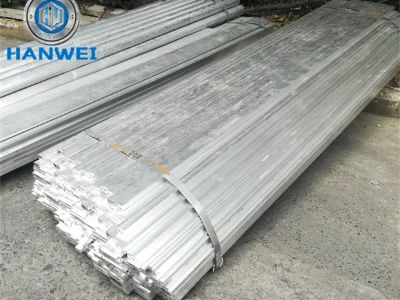
Sourcing aluminum rods from a factory in China can be a cost-effective solution for manufacturers looking to procure high-quality materials for their projects. This Aluminum Rod Wholesale Guide outlines essential considerations for buyers, including cost factors, common sourcing challenges, and the advantages of aluminum rods in manufacturing. By understanding these aspects, purchasing managers, engineers, and product managers can make informed decisions when sourcing aluminum rod directly from a Chinese factory.
Evaluating the Cost Factors of Bulk Aluminum Rod Orders
When evaluating the cost of bulk aluminum rod orders, several key factors should be taken into account. Firstly, the price per unit can vary significantly based on the material grade, rod diameter, and length. High-quality aluminum alloys may command a higher price, but they often provide better performance and durability in applications.
Shipping costs are another crucial factor. Importing aluminum rods from a Chinese factory involves freight charges, which can fluctuate based on shipping methods (sea freight vs. air freight) and current fuel prices. Additionally, customs duties and tariffs may apply, affecting overall costs.
Minimum Order Quantity (MOQ) is often stipulated by manufacturers and can significantly influence pricing. A larger order may reduce the unit price, but buyers must ensure that they have the storage capacity for excess inventory. Finally, consider the lead time; expedited orders may incur higher costs but can be essential for meeting project deadlines.
Common Problems When Sourcing Aluminum Rods and Solutions
Sourcing aluminum rods from overseas can present unique challenges. One common issue is inconsistent quality. Buyers should request detailed specifications and quality assurance documentation from suppliers to mitigate this risk. It’s advisable to conduct thorough inspections of samples before placing a large order to ensure the aluminum rods meet the required standards.
Communication barriers can also pose challenges. Language differences or misunderstandings about specifications can lead to incorrect orders. Using clear, precise technical drawings and product specifications can help alleviate this issue. Establishing a communication protocol with the supplier, including regular updates and confirmations, can further enhance clarity.
Another common problem is delayed shipments. Buyers should account for potential delays in production and shipping. To minimize this risk, it’s beneficial to work with suppliers who have a proven track record of timely deliveries and to establish buffer times in project timelines.
Understanding the Advantages of Aluminum Rods in Manufacturing
Aluminum rods offer numerous advantages in manufacturing applications. One of the most significant benefits is their lightweight nature, which reduces overall product weight without sacrificing strength. This characteristic makes aluminum round rod ideal for industries like aerospace and automotive, where weight savings can lead to improved fuel efficiency.
Additionally, aluminum exhibits excellent resistance to corrosion, making it suitable for outdoor applications and environments with moisture exposure. The material's malleability allows for easy machining and customization, enabling manufacturers to create complex shapes and sizes tailored to specific needs.
Aluminum rods also have good thermal and electrical conductivity, making them suitable for applications in electrical and electronic components. Their recyclability adds an environmental advantage, appealing to companies looking to enhance their sustainability practices.
Installation Guidance for Aluminum Rods in Various Applications
Proper installation of aluminum rods is crucial for ensuring their performance and longevity in applications. For structural uses, such as in frameworks or supports, it’s essential to verify that the installation aligns with engineering specifications. Incorrect installation can lead to structural weaknesses or failures.
When installing aluminum rods in machinery, ensure compatibility with other materials involved. For instance, aluminum can react with certain metals, leading to galvanic corrosion. To prevent this, consider using protective coatings or insulators where aluminum interfaces with dissimilar materials.
It’s also important to follow best practices for handling and storage before installation. Aluminum rods should be kept in a clean, dry environment to avoid contamination and corrosion. During installation, use appropriate tools designed for aluminum to prevent damage, such as galling or scratching of the surface.
Comparing Aluminum Rod Products for Your Next Project
When comparing aluminum rod products, several specifications and features should be evaluated to ensure the right fit for your project. Key considerations include the alloy type, dimensions (diameter and length), and mechanical properties such as tensile strength and yield strength.
Different aluminum alloys offer varying levels of strength, corrosion resistance, and workability. For instance, 6061 aluminum is commonly used for structural applications due to its good weldability and strength, while 7075 aluminum is favored in aerospace applications for its high strength-to-weight ratio.
Buyers should also consider the manufacturing process. The 2024 aluminum rod can be produced through methods like extrusion or rolling, which can influence their final properties. Extruded rods tend to have better dimensional accuracy and surface finish, while rolled rods may be more cost-effective.
Lastly, evaluate the supplier's customization capabilities. If your project requires specific dimensions or surface treatments, ensure that the manufacturer has the ability to meet those needs. Requesting samples for evaluation can provide valuable insights into the product quality and performance before committing to a bulk order.
By considering these factors, buyers can make informed decisions that align with their project requirements and ensure successful sourcing of aluminum rods.