
 EN
EN
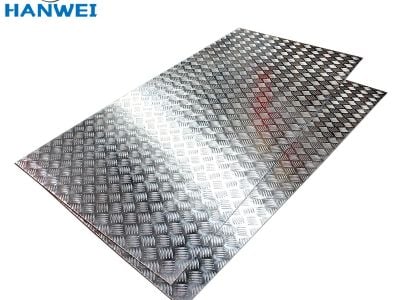
Building a successful and long-lasting partnership with your aluminum supplier is essential for manufacturers and businesses that rely on aluminum products. This guide, titled How to Build a Long-Term Partnership With Your Aluminum Supplier: A Practical Guide, will address the critical factors that contribute to a fruitful relationship. Understanding what to look for in an aluminum supplier, cost considerations, common order issues, application insights, and best practices will help ensure that your supply chain remains efficient, cost-effective, and aligned with your operational goals.
What to Look for in an Aluminum Supplier?
When choosing an aluminum supplier, consider several key factors that can significantly impact your operations. First, assess the supplier's manufacturing capabilities, such as the range of aluminum products offered, including various alloys, shapes, and finishes. A supplier like Han Wei Company, with over 10,000 aluminum and non-ferrous metal stock options, provides a wide selection that can meet diverse application needs.
Next, evaluate the supplier’s certifications, such as ISO9001 and AS9120. These certifications indicate a commitment to quality management systems, ensuring that the products meet international standards. A trustworthy supplier will also have robust quality control processes in place to consistently deliver high-quality materials.
Additionally, consider the supplier's production equipment and technology. Advanced manufacturing processes can lead to better precision and efficiency, which are crucial for demanding applications. A supplier that employs world-class custom equipment can offer tailored solutions that meet your specific requirements.
Understanding Cost Factors in Wholesale Aluminum Purchases
The cost of aluminum can vary significantly based on several factors. Understanding these cost components is crucial for effective budgeting and procurement. Key factors include the type of aluminum alloy, the complexity of the required specifications, and the quantity ordered. For instance, custom fabrication or unique finishes may incur additional costs.
Additionally, consider the pricing structures and minimum order quantities (MOQs) set by your supplier. A supplier that offers flexible MOQs may be beneficial for businesses that need to manage inventory more efficiently. It's important to request detailed quotes that break down these costs, allowing you to understand what influences the final price.
Logistics also plays a crucial role in overall costs. Shipping fees, lead times, and delivery locations can impact the cost of procurement. Suppliers with quick delivery capabilities can reduce production downtime, providing a competitive edge in time-sensitive projects.
Common Problems with Aluminum Orders and Their Solutions
Even with careful planning, problems can arise during the ordering process. Common issues include discrepancies in order quantities, defects in the material, and delays in delivery. To mitigate these challenges, establish clear communication channels with your supplier. Regular updates on order status and proactive problem-solving can help address issues before they escalate.
Another frequent challenge is ensuring that the specifications are met accurately. In this regard, it is essential to approve a sample before moving into mass production. This process allows you to verify dimensions, finishes, and overall quality, minimizing the risk of receiving unsuitable products.
If defects are discovered upon receipt, promptly notify of aluminum plate for sale. A reputable supplier will have a return policy and quality assurance processes in place to rectify such issues. Make sure to document any discrepancies with photos and detailed descriptions to facilitate a smooth resolution.
Essential Insights for Aluminum Applications
Understanding the specific applications of aluminum products is crucial for making informed purchasing decisions. Different industries may require varying specifications based on performance criteria, environmental conditions, and regulatory compliance. For example, aluminum used in the automotive industry may need to withstand high stress and temperature variations, while products for architectural applications may prioritize aesthetics and corrosion resistance. When discussing your needs with a supplier, provide detailed information about the intended application. This includes load requirements, exposure to chemicals or moisture, and any specific regulatory standards that must be met. A knowledgeable supplier can then recommend the appropriate aluminum alloy and treatment processes that align with your application requirements. Additionally, consider the potential for customization. A supplier like Han Wei, with experience in producing and processing aluminum plate metal products, can tailor solutions to meet specific project demands, enhancing performance and functionality in your application.
Best Practices and Tips
To foster a long-term partnership with your aluminum supplier, implement the following best practices:
Establish Clear Communication: Maintain open lines of communication to address inquiries, updates, and any potential issues promptly. Regular check-ins can help build trust and transparency.
Invest in Relationship Building: Take time to understand your supplier's capabilities and challenges. Building a strong rapport can lead to better collaboration and mutual benefits.
Be Transparent About Your Needs: Clearly communicate your requirements and expectations. Providing accurate forecasts on volumes and specifications can help your supplier plan effectively.
Evaluate Performance Regularly: Conduct periodic reviews of your supplier's performance, focusing on quality, delivery timelines, and responsiveness. This will help identify areas for improvement and reinforce accountability.
Adapt to Market Changes: Stay informed about market trends and pricing fluctuations. Flexibility in your sourcing strategy can help you navigate challenges and seize opportunities.
By following these best practices, you can cultivate a partnership with your 5052 aluminum sheet supplier that not only meets your immediate needs but also supports long-term strategic goals, ensuring a reliable and efficient supply chain for your operations.