
 EN
EN
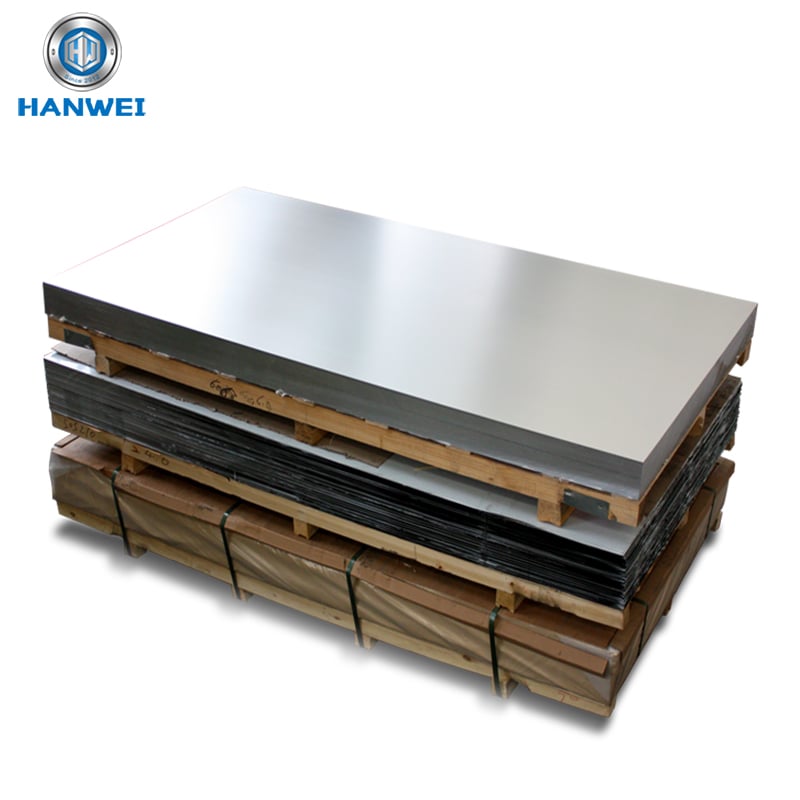
Aluminum sheets play a vital role in modern electronics and enclosures, serving as a preferred material due to their lightweight, durability, and excellent thermal conductivity. For B2B buyers, understanding the specific advantages and applications of aluminum sheets is crucial for making informed purchasing decisions. This article will guide you through the advantages of aluminum sheets in electronics enclosures, how to choose the right sheet for your project, finding reliable suppliers, key specifications to consider, and cost factors to evaluate when purchasing these products.
The Advantages of Aluminum Sheets in Electronics Enclosures
Aluminum sheets are increasingly favored in electronics enclosures for several reasons. First, their lightweight nature reduces shipping costs and facilitates easier handling and installation. Additionally, aluminum exhibits high corrosion resistance, ensuring longevity even in challenging environments. This is particularly beneficial for outdoor applications or in industries where moisture exposure is common.
The thermal conductivity of aluminum also makes it an excellent choice for heat dissipation. Electronics components generate heat that needs to be dissipated effectively to prevent overheating. Aluminum sheet can be designed to enhance airflow and heat transfer, thus prolonging the lifespan of electronic devices. Moreover, aluminum is non-magnetic, which makes it suitable for sensitive electronic applications where interference could be detrimental.
How to Choose the Right Aluminum Sheet for Your Project Needs
Selecting the appropriate aluminum sheet requires careful consideration of several factors. Start by determining the specific requirements of your application, including dimensions, thickness, and alloy type. Common aluminum alloys include 1050, 1100, and 6061, each offering different mechanical properties and corrosion resistance levels.
Consider the intended use of the enclosure. If the enclosure needs to resist harsh environments, an alloy with higher corrosion resistance may be necessary. Additionally, assess the required surface finish. Anodized finishes can enhance durability and aesthetic appeal, while brushed or polished surfaces may be preferred for design purposes.
It's also wise to request samples from potential suppliers before finalizing your decision. This allows you to evaluate the material's texture, finish, and overall quality, ensuring it meets your specifications before mass production.
Finding Reliable Suppliers for Aluminum Sheets
When sourcing aluminum sheet plate, reliability is key. Start by looking for suppliers with a proven track record in the industry, such as Han Wei Company, a leading metal manufacturer with over 18 years of experience in aluminum products. Verify their certifications, such as ISO9001 and AS9120, which indicate adherence to quality management standards.
It's essential to assess the supplier's production capabilities, including their ability to handle custom orders and variations in dimensions or finishes. Consider their inventory levels and lead times, as these factors can significantly impact your project timeline. Engaging with suppliers who maintain transparent communication and provide detailed product specifications can also enhance your purchasing experience.
Finally, don't hesitate to seek references or reviews from other customers. This feedback can provide insight into the supplier's reliability, product quality, and customer service.
Key Specifications to Consider for Aluminum Sheets in Electronics
When evaluating aluminum sheets for electronics applications, several specifications are critical:
Thickness: The thickness of the sheet will influence its strength and durability. Thicker sheets can offer better protection for sensitive electronics but may add weight.
Alloy Type: Different alloys provide varying levels of strength, corrosion resistance, and machinability. For example, 6061 aluminum offers good weldability, making it suitable for complex designs.
Surface Finish: The finish can affect both aesthetics and functionality. Anodized surfaces provide additional corrosion resistance and can be colored for branding purposes.
Dimensions: Ensure that the dimensions fit your design requirements. Custom sizes may be necessary for specific applications.
Thermal Conductivity: Depending on the electronic components being housed, you may need to evaluate the sheet's thermal properties to ensure effective heat dissipation.
Mechanical Properties: Consider the yield strength and tensile strength, which determine how well the material can withstand stress and deformation.
Understanding these specifications will help you select the right aluminum sheet roll, ensuring that it meets your operational requirements.
Cost Factors to Evaluate When Purchasing Aluminum Sheets
The cost of aluminum sheets can vary significantly based on several factors. First, consider the alloy type and thickness, as these will directly influence material costs. Higher-grade alloys or thicker sheets typically command higher prices.
Another vital aspect is the order quantity. Many suppliers, including Han Wei Company, may offer price breaks for larger orders, so it’s essential to evaluate your projected needs against your budget. Be sure to inquire about the minimum order quantity (MOQ) and any associated costs.
Shipping and handling fees can also add to the total cost. Factors such as destination, packaging methods, and delivery timelines should be taken into account. Additionally, if you require custom processing or finishing, these services can incur additional expenses.
Lastly, factor in the potential for long-term savings through product durability and performance. Investing in higher-quality aluminum sheet metal may yield cost benefits in terms of reduced maintenance and replacement needs over time.
By understanding these cost factors and carefully evaluating your options, you can optimize your purchasing strategy for aluminum sheets tailored to the demands of your electronics project.