
 EN
EN
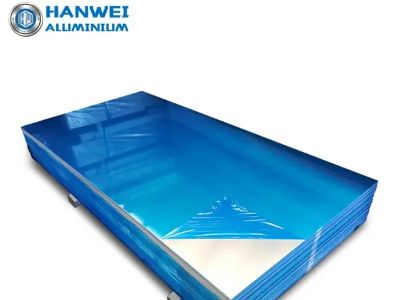
Choosing the right aluminum sheet for your project involves understanding various factors such as alloy, temper, and finish. This decision is crucial for ensuring the performance, durability, and suitability of the material for your specific application. B2B buyers, including purchasing managers, engineers, and product managers, often seek clarity on product specifications, customization options, and quality assurance processes. This article aims to provide practical guidance on how to choose the right 5083 aluminum sheet for your needs, addressing key selection factors and potential challenges.
How to Choose the Right Aluminum Sheet Alloy for Your Needs
The alloy of aluminum sheets significantly influences their mechanical properties and suitability for different applications. Common aluminum alloys fall into two main categories: wrought and cast. Wrought alloys, identified by a four-digit number system, are typically used for applications requiring high strength and corrosion resistance, such as in the aerospace and automotive industries. For example, the 6061 alloy is known for its excellent weldability and machinability, making it a popular choice for structural applications.
On the other hand, cast alloys, marked with a four-digit number followed by a decimal point, are often used for applications requiring intricate shapes and good fluidity during casting. When selecting an alloy, consider the specific mechanical properties required for your project, such as tensile strength, yield strength, and elongation. Additionally, assess the alloy's corrosion resistance, especially if the aluminum will be exposed to harsh environmental conditions.
Key Factors for Selection
Several critical factors should guide your selection process when choosing cutting aluminum sheet metal alloys:
Mechanical Properties: Evaluate the strength, ductility, and hardness of the alloys. For example, a project requiring high load-bearing capacity may necessitate a higher-strength alloy such as 7075.
Corrosion Resistance: Depending on the application, consider the environmental exposure of the aluminum sheets. Alloys like 5005 and 6063 exhibit superior corrosion resistance, making them ideal for marine or outdoor applications.
Fabrication and Machinability: Assess how easily the alloy can be formed, welded, or machined. Some alloys, like 6061, are more amenable to fabrication processes, reducing overall project costs.
Cost and Availability: Pricing can vary significantly among alloys. While high-strength alloys may provide superior performance, they can also be more expensive. Compare costs against performance needs, taking into account the minimum order quantities (MOQs) from suppliers, such as Han Wei Company, to ensure you remain within budget.
Regulatory Compliance: Ensure that the selected alloy meets any relevant industry standards or regulations, such as those set by the aerospace or automotive sectors.
Which One Is Right for You?
Determining the right aluminum sheet alloy requires careful consideration of your specific project requirements. Start by defining the application and performance criteria. For instance, if you're manufacturing components for aerospace, you may prioritize lightweight, high-strength alloys like 7075. Conversely, if your application involves architectural elements, you might choose an alloy like 6063, known for its excellent finish and aesthetic appeal.
Additionally, consider the environmental conditions the aluminum will face. For outdoor applications, select alloys with enhanced corrosion resistance. If the aluminum sheet needs to be welded, ensure that the alloy is compatible with welding processes and that any necessary filler materials are available.
Engaging with manufacturers like Han Wei Company can provide insights into material properties and availability, ensuring that you make an informed decision tailored to your project's unique needs.
Cost Factors to Consider When Sourcing Aluminum Sheets Wholesale
When sourcing aluminum sheets wholesale, several cost factors come into play:
Material Costs: The price of aluminum alloys can fluctuate based on market demand and global supply chains. Be prepared for variations in pricing based on the alloy type and current market conditions.
Processing and Fabrication Costs: Additional costs may arise from cutting, bending, or finishing processes. Consider these factors when requesting quotes from suppliers.
Shipping and Handling: Depending on your location and the supplier's base, shipping costs can vary significantly. Ensure you account for these in your total budget.
Minimum Order Quantities (MOQs): Suppliers often have MOQs that can impact the overall cost per unit. Discuss these with your supplier to find a balance between quantity and budget.
Customizations: If your project requires specific dimensions or surface finishes, be aware that these customizations may come with added costs. Discuss your requirements clearly with the manufacturer to understand any potential price implications.
By analyzing these factors, you can prepare a more accurate budget and make informed purchasing decisions.
Common Problems When Choosing Aluminum Sheets and Effective Solutions
Choosing the right aluminum sheets can come with challenges. Here are some common problems buyers face and effective solutions:
Inadequate Material Specifications: Buyers sometimes overlook critical specifications, leading to material that doesn't meet performance requirements. Solution: Always confirm tensile strength, hardness, and corrosion resistance with your supplier before finalizing your order.
Compatibility Issues: Some alloys may not be suitable for specific applications or processes. Solution: Consult with manufacturers about the intended use and any unique processing requirements. For instance, if welding is necessary, ensure the chosen alloy is weldable.
Quality Control Failures: Variability in material quality can arise if the supplier does not follow strict quality control measures. Solution: Choose suppliers with ISO certifications, like Han Wei Company, to ensure consistent quality and adherence to industry standards.
Miscommunication on Customization Needs: Misunderstandings regarding custom dimensions or finishes can lead to wasted material and increased costs. Solution: Provide detailed technical drawings and specifications when discussing your project with suppliers. Request samples to confirm that the final product meets your expectations.
Unexpected Lead Times: Delays in production can arise from supplier backlogs or material shortages. Solution: Confirm lead times upfront with your supplier and explore alternative sourcing options if necessary.
By understanding these common pitfalls and implementing effective solutions, buyers ca n navigate the challenges of sourcing aluminum sheets more efficiently. Navigating the complexities of selecting the right aluminum sheet plate can significantly impact your project's success. By focusing on alloy selection, understanding key factors, evaluating cost considerations, and addressing common problems, you can make informed decisions that align with your project's goals and requirements.