
 EN
EN
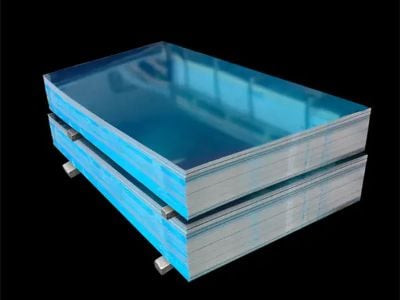
When choosing the right aluminum sheet for your application, understanding the differences between Aluminum Sheet 3003, 5052, and 6061 is essential. Each alloy offers unique properties that can impact performance, durability, and cost-effectiveness. This article will explore the specifications of these aluminum sheet, helping purchasing managers, engineers, and product managers make informed decisions based on their specific project needs.
Understanding Aluminum Sheet 3003, 5052, and 6061 Specifications
Aluminum alloys are categorized by a four-digit number, with the first digit representing the primary alloying element.
3003 Aluminum Sheet: This alloy is primarily composed of aluminum (96.5% minimum) and manganese (1.0-1.5%). It is known for its good corrosion resistance, excellent workability, and moderate strength. The typical tensile strength of 3003 is around 17,000 psi. This makes it suitable for applications requiring moderate strength and good formability, such as cooking utensils, chemical equipment, and storage tanks.
5052 Aluminum Sheet: The primary alloying element in 5052 is magnesium (2.2-2.8%), resulting in higher strength compared to 3003—approximately 28,000 psi tensile strength. It also offers excellent corrosion resistance and weldability, making it an ideal choice for marine environments, automotive fuel tanks, and pressure vessels.
6061 Aluminum Sheet: This alloy contains magnesium (0.8-1.2%) and silicon (0.4-0.8%), providing it with excellent mechanical properties and weldability. With a tensile strength of about 40,000 psi, 6061 is often used in structural applications, aerospace components, and automotive parts due to its strength-to-weight ratio.
Understanding these specifications is crucial, as the selected aluminum sheet metal will directly influence the performance and longevity of your end product.
How to Choose the Right Aluminum Sheet for Your Project Needs?
Selecting the appropriate aluminum sheet depends on several factors:
Application Requirements: Determine the mechanical properties required for your project. For instance, if you need high strength and good corrosion resistance, 6061 may be the best choice. Conversely, for applications where formability is critical, 3003 could be more suitable.
Environmental Conditions: Consider the operating environment. If your application involves exposure to seawater or harsh chemicals, the corrosion resistance of 5052 or 6061 will be beneficial.
Fabrication Processes: Different alloys have varying workability characteristics. For example, 3003 is easier to form and weld, making it ideal for complex shapes or detailed work.
Cost Considerations: Budget constraints can also influence your choice. While 3003 may be less expensive, weighing the cost against performance needs is essential. Sometimes investing in a more expensive alloy like 6061 can lead to long-term savings through reduced maintenance and replacement costs.
Before finalizing your selection, consult with your supplier about the specific properties and fabrication considerations of each alloy.
Aluminum Sheet 3003 vs 5052 vs 6061 Guide
| Property | 3003 | 5052 | 6061 |
|---|---|---|---|
| Major Alloying Element | Manganese | Magnesium | Magnesium & Silicon |
| Typical Tensile Strength | 17,000 psi | 28,000 psi | 40,000 psi |
| Workability | Excellent | Good | Good |
| Corrosion Resistance | Good | Excellent | Good |
| Common Applications | Cooking utensils, chemical equipment | Marine applications, fuel tanks | Structural components, automotive parts |
This guide provides a quick reference for understanding the key differences and applications of the three aluminum sheet alloys.
Analyzing Aluminum Sheet 3003, 5052, and 6061 Prices
Pricing for aluminum sheets can vary based on several factors, including:
Material Costs: The price of aluminum fluctuates based on global demand and supply trends. Higher alloy content often leads to increased costs, particularly with 6061.
Thickness and Size: Thicker sheets and larger sizes typically command higher prices. Custom sizes may also incur additional charges.
Quantity: Bulk orders often come with pricing advantages. Suppliers like Han Wei Company may offer discounts for larger thick aluminum sheet metal orders, making it worthwhile to assess your needs carefully.
Market Conditions: Economic factors and local market conditions can influence pricing. Regularly consulting with suppliers can provide insight into the best times to purchase.
For accurate pricing, request quotations that include specifics about the desired alloy, thickness, and dimensions.
Common Problems and Solutions with Aluminum Sheets 3003, 5052, 6061
While aluminum sheets are versatile, buyers may encounter some common issues:
Surface Defects: Scratches or dents can occur during handling or shipping. Ensure that your supplier uses proper packaging methods to minimize damage. Request samples before mass production to assess surface quality.
Welding Challenges: Different alloys respond uniquely to welding. For example, 5052 may require specialized techniques to avoid issues like cracking. Always confirm your welding processes align with the selected alloy's characteristics.
Corrosion: If aluminum sheets are to be used in corrosive environments, ensure proper protective coatings or treatments are applied. Regular inspections can help identify early signs of corrosion.
Dimensional Tolerance Issues: Inconsistent thickness or dimensions can lead to problems during fabrication. Confirming tolerances during the quotation process can mitigate these issues.
By addressing these common problems proactively, you can enhance the performance and durability of your aluminum sheet applications.
Choosing the right aluminum sheet involves understanding the specifications, evaluating project needs, and considering potential issues. With the right knowledge and supplier partnership, you can make an informed choice that aligns with your project goals and budget considerations.