
 EN
EN
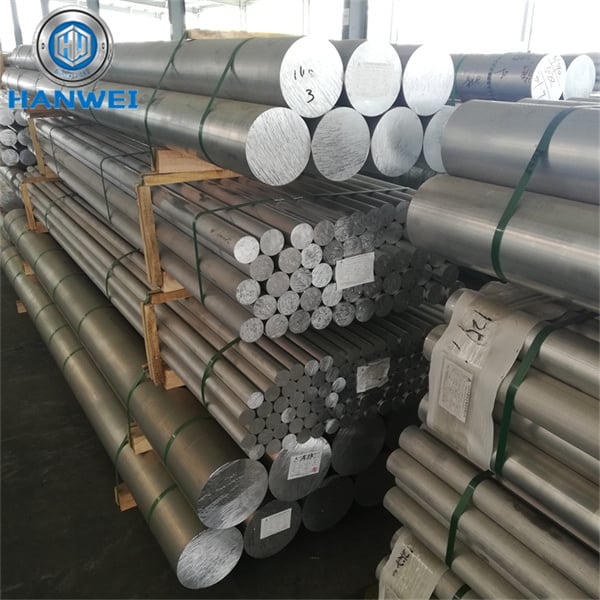
Aluminum rods are essential components in CNC machining, offering versatility and strength across various applications. This guide focuses on the selection of aluminum rods for CNC machining, covering grades, quality evaluation, and purchasing considerations. As a B2B buyer, understanding how to choose the right aluminum rod can significantly impact your project's success, from production efficiency to end-product quality.
Choosing the Right Aluminum Rod for CNC Machining Applications
Selecting the appropriate aluminum rod for CNC machining involves understanding the specific requirements of your application. Factors such as the mechanical properties of the aluminum, the machining process, and the desired finish all play a crucial role.
For instance, if your project requires high strength and excellent machinability, you might consider using 6061 aluminum, which is widely recognized for its good mechanical properties and corrosion resistance. On the other hand, 7075 aluminum is suitable for applications requiring higher strength, though it may be less machinable.
Consider the specific demands of your end product such as weight restrictions, exposure to harsh environments, and required tolerances when making your selection. It’s also beneficial to consult with suppliers like Han Wei Company, who can provide insights based on their extensive experience in aluminum manufacturing and processing.
Where to Buy Aluminum Rods for Wholesale CNC Machining Needs
When sourcing aluminum rods for wholesale CNC machining, it’s essential to choose a reputable supplier that can meet your quality and delivery requirements. Han Wei Company, based in Shanghai, has established itself as a leading exporter with an extensive inventory of over 10,000 aluminum and non-ferrous metal products.
Buyers should consider factors such as the supplier's certification (e. g., ISO9001/AS9120), production capacity, and customer service reputation. Engaging with suppliers who offer comprehensive product information and have the capability for custom orders can ensure that you receive the right materials for your projects.
Additionally, it’s advisable to request samples before placing large orders. This allows you to evaluate the material's suitability for your specific CNC machining requirements.
Understanding Aluminum Rod Grades for Optimal CNC Machining
Aluminum arc welding rods come in various grades, each with unique characteristics that affect their machinability and application suitability. The most commonly used grades for CNC machining include:
6061: Known for its good mechanical properties, corrosion resistance, and ease of machining. Ideal for structural components and automotive applications.
7075: Offers high strength and is often used in aerospace applications. However, it is more challenging to machine and may require specialized techniques.
2024: Known for high strength, it is mainly used in aerospace applications but has lower corrosion resistance compared to 6061.
When selecting a grade, consider the specific mechanical properties required for your application, such as tensile strength, yield strength, and elongation. Understanding these properties will help ensure that the aluminum rod you choose performs effectively in its intended application.
How to Evaluate the Quality of Aluminum Rods for CNC Machining
Quality evaluation of aluminum rods is critical to ensure they meet performance standards in CNC machining. Key aspects to consider include:
Material Certification: Always request mill certificates or test reports that document the alloy composition and mechanical properties. This documentation verifies that the aluminum meets specified standards.
Visual Inspection: Check for surface defects such as scratches, dents, or discoloration, which may affect machining performance. A clear and smooth surface is essential for precision work.
Dimensional Tolerances: Confirm that the dimensions of the rods adhere to the required tolerances. This includes diameter, length, and straightness, which are crucial for proper fit and function in CNC machinery.
Machinability Tests: If possible, conduct preliminary machining tests to assess the rod's performance on your specific equipment. This can reveal potential issues with chip formation, tool wear, and surface finish.
By following these evaluation steps, buyers can minimize risks associated with material quality and ensure optimal performance in their CNC machining processes.
Guidelines for Selecting Aluminum Rods in CNC Machining Projects
When embarking on a CNC machining project, following specific guidelines can streamline the selection process for aluminum round rod. Here are some actionable steps:
Define Your Specifications: Clearly outline the required mechanical properties, dimensions, and tolerances for your project. This will guide your discussions with suppliers.
Consult with Experts: Leverage the expertise of manufacturers like Han Wei Company, who can provide recommendations based on their knowledge of material performance and application suitability.
Consider Customization Needs: If your project has unique requirements, inquire about customization capabilities. Suppliers may offer options for specific dimensions, lengths, or surface treatments that align with your project needs.
Assess Lead Times and MOQ: Understand the supplier's lead times and minimum order quantities (MOQ) to align with your project schedule. This can prevent delays in production and ensure timely delivery of materials.
Request Samples and Conduct Tests: Before finalizing your order, request samples to evaluate the material’s performance and compatibility with your machining processes. Testing can help identify any potential issues early on.
By adhering to these guidelines, purchasing managers and engineers can make informed decisions that enhance the efficiency and quality of their CNC machining projects.
Table of Contents
- Choosing the Right Aluminum Rod for CNC Machining Applications
- Where to Buy Aluminum Rods for Wholesale CNC Machining Needs
- Understanding Aluminum Rod Grades for Optimal CNC Machining
- How to Evaluate the Quality of Aluminum Rods for CNC Machining
- Guidelines for Selecting Aluminum Rods in CNC Machining Projects