
 EN
EN
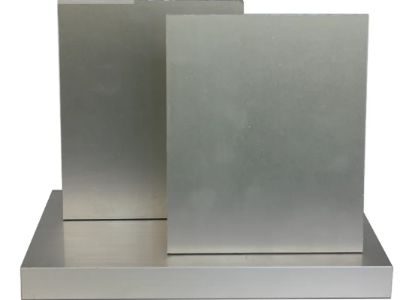
When considering aluminum sheets for various applications, one of the most crucial aspects is determining the appropriate thickness. The primary keyword for this guide, "What Aluminum Sheet Thickness Do You Need? A Practical Guide for B2B Buyers," addresses an essential concern for purchasing managers, engineers, and project managers in manufacturing and industrial sectors. This article will help you understand how to select the right aluminum sheet thickness based on your project requirements, quality standards, and cost-effectiveness.
What Aluminum Sheet Thickness Is Best for Your Project?
Choosing the right aluminum sheet thickness depends on several factors, including the intended application, load requirements, and environmental conditions. Common thicknesses for aluminum sheet range from 0.008 inches (0.2 mm) to 0.25 inches (6.35 mm), with varying properties that influence performance.
For structural applications, such as in construction or heavy machinery, thicker sheets (around 0.125 inches or 3.2 mm and above) are generally recommended. These provide better strength and durability, making them suitable for load-bearing applications. Conversely, thinner sheets (below 0.063 inches or 1.6 mm) are typically sufficient for decorative or lightweight applications, such as signage or automotive body panels.
It's essential to consider the specific requirements of your project. For example, if you require good corrosion resistance and lightweight properties, a thickness of around 0.040 inches (1 mm) might be ideal. This thickness is often used for applications such as heat exchangers and light structural components.
Where to Source High-Quality Aluminum Sheets by Thickness
When sourcing aluminum sheets, it's crucial to partner with a reliable manufacturer or supplier that can provide high-quality products tailored to your specifications. Han Wei Company, with its extensive inventory of over 10,000 aluminum and non-ferrous metal stock in Shanghai, offers a range of thickness options to meet diverse project needs.
Buyers should verify that their supplier adheres to recognized quality standards, such as ISO 9001 and AS9120 certifications, which ensure consistent product quality and traceability. It’s also advisable to request samples before finalizing an order to ensure that the sheet thickness and material meet your application requirements.
Consider the supplier’s ability to provide customization options, such as specific dimensions or surface treatments. This can be especially important for projects requiring specialized finishes or coatings for enhanced performance in specific environments.
Comparing Aluminum Sheet Thickness Options for Cost-Effective Solutions
Understanding the cost implications of different aluminum sheet metal thicknesses is vital for budgeting and purchasing decisions. Thicker sheets tend to be more expensive due to the greater amount of material required and the associated manufacturing costs. However, choosing a thickness that is too thin can lead to issues such as warping, bending, or insufficient load-bearing capacity, resulting in higher costs down the line for repairs or replacements.
When evaluating cost-effective solutions, consider not only the initial purchase price but also the long-term implications of material selection. For instance, while a thinner sheet may save money upfront, it could result in increased maintenance costs or reduced product lifespan. Therefore, it’s crucial to balance initial costs with durability and performance requirements.
If your project allows for flexibility in specifications, discussing volume discounts or bundled orders with suppliers like Han Wei Company can lead to significant savings. Additionally, consider the total cost of ownership, which includes factors such as shipping, installation, and potential maintenance.
Common Problems with Aluminum Sheet Thickness and Their Solutions
One common issue that buyers face when selecting aluminum sheet thickness is miscommunication regarding material requirements. Specifications that are not clearly defined can lead to the procurement of sheets that do not meet project needs. To avoid this, ensure that your RFQ includes detailed information on thickness, alloy type, and any required surface treatments.
Another frequent problem is the risk of distortion during processing. Thicker aluminum sheets can be more challenging to work with, requiring specialized equipment and techniques. It's essential to consult with your manufacturer about their capabilities to handle the specified thickness and any additional processing requirements.
To mitigate these challenges, always request a sample for inspection before mass production. This allows you to verify that the chosen thickness and material meet your needs and perform as expected under actual operating conditions.
Understanding the Applications for Various Aluminum Sheet Thicknesses
Different thicknesses of aluminum sheet roll are suited for various applications across multiple industries. For instance:
0.008 to 0.032 inches (0.2 to 0.8 mm): Ideal for decorative applications, signage, and lightweight structures where aesthetic appearance is more critical than strength.
0.040 to 0.063 inches (1 to 1.6 mm): Commonly used in the automotive industry for body panels and in manufacturing for lightweight structural components that require moderate strength.
0.125 inches (3.2 mm) and above: Typically used in construction and heavy machinery, where high strength and load-bearing capabilities are essential.
Understanding the specific requirements for your application can aid in selecting the right thickness. For example, if you're manufacturing components exposed to harsh environments, thicker sheets may be necessary to ensure durability and resistance to wear and corrosion.
In summary, selecting the appropriate aluminum sheet thickness is critical to the success of your project. By considering your application requirements, sourcing from reputable suppliers like Han Wei Company, and understanding the implications of your thickness choices, you can make informed purchasing decisions that align with both your budget and performance expectations.
Table of Contents
- What Aluminum Sheet Thickness Is Best for Your Project?
- Where to Source High-Quality Aluminum Sheets by Thickness
- Comparing Aluminum Sheet Thickness Options for Cost-Effective Solutions
- Common Problems with Aluminum Sheet Thickness and Their Solutions
- Understanding the Applications for Various Aluminum Sheet Thicknesses