
 EN
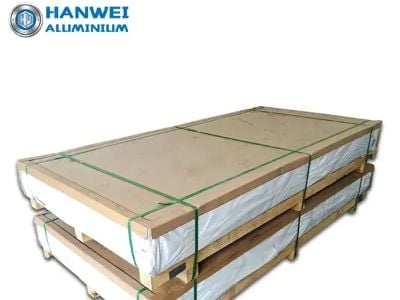
Aluminum sheets for marine applications are crucial materials used in the construction of vessels, boats, and offshore structures. Among various grades, 5083 and 5052 aluminum sheets are recognized for their superior performance in marine environments. Buyers often prioritize factors such as corrosion resistance, weight, strength, and manufacturability when sourcing these materials. This article will delve into the key specifications, quality evaluation, cost considerations, supplier selection, and the specific applications of 5083 and cut aluminum sheet metal in the marine industry.
Key Specifications to Consider When Sourcing Marine Aluminum Sheets
When sourcing aluminum sheets for marine applications, specific specifications are vital to ensuring performance and durability. Key factors to consider include:
Alloy Type: The 5083 and 5052 alloys are particularly favored due to their high resistance to marine corrosion. 5083 offers better strength and is often used for shipbuilding, while 5052 provides excellent workability and moderate strength.
Thickness: Aluminum sheets typically range from 1 mm to 10 mm in thickness. The choice often depends on the specific application; thicker sheets may be necessary for structural components, while thinner sheets are suitable for non-structural applications.
Temper: The temper designation (for example, H116 for 5083) indicates the processing of the aluminum. H116 signifies that the aluminum has been strain-hardened and stabilized, which enhances its corrosion resistance and overall structural integrity.
Surface Treatment: Anodizing or applying a protective coating can significantly improve corrosion resistance. For marine applications, a well-treated surface can withstand harsh saltwater environments.
Dimensions: Buyers should clearly specify required dimensions, including length and width, to ensure compatibility with their manufacturing processes.
Understanding these specifications is essential as they directly affect the aluminum's performance in marine conditions and its compatibility with existing operational requirements.
Evaluating the Quality of Aluminum Sheets for Marine Applications
Quality evaluation of aluminum sheets for marine applications involves several practical assessments:
Visual Inspection: Check for surface defects such as scratches, dents, or discoloration. These can indicate improper handling or storage and may affect the sheet's performance.
Material Certification: Request certification documents that confirm the alloy type, temper, and compliance with relevant standards (such as ISO9001). This ensures that the material meets the necessary quality and safety specifications.
Mechanical Testing: Conduct tests to assess tensile strength, elongation, and yield strength. For marine applications, the aluminum must withstand various stresses without compromising structural integrity.
Corrosion Resistance Testing: Evaluate the aluminum's performance in simulated marine environments to ensure it can resist corrosion over time. This can include salt spray testing to mimic real-world conditions.
Sample Approval: Before mass production, it’s prudent to approve a sample. This allows buyers to verify the material's specifications, finish, and compatibility with their applications.
A comprehensive quality evaluation process mitigates risks and ensures that sourced materials will perform as expected in demanding marine environments.
Cost Factors and Supplier Considerations
When sourcing aluminum sheets, various cost factors and supplier considerations play crucial roles:
Material Costs: Prices for 5083 and 5052 aluminum sheet can fluctuate based on global market conditions, alloy availability, and production costs. Buyers should stay informed about current market trends to negotiate effectively.
Customization Requirements: Custom dimensions, treatments, or finishes will often incur additional costs. Clearly defining specifications upfront can help in obtaining accurate quotes and managing budgets.
Minimum Order Quantities (MOQ): Suppliers may have MOQs that affect overall costs. Understanding these requirements allows buyers to plan their purchases efficiently.
Lead Times: Production and delivery times can vary significantly between suppliers. Buyers should evaluate lead times against project timelines to avoid delays.
Supplier Reputation: Assessing a supplier’s track record, customer service, and quality assurance processes is vital. A reputable supplier, like Han Wei Company, known for its extensive experience and certifications, can provide peace of mind regarding material quality and reliability.
By considering these factors, buyers can make informed decisions that align with both their budget and project requirements.
Where to Find Reliable Suppliers for Marine Aluminum Sheets
Finding reliable suppliers for marine aluminum sheets can be a challenge, but several strategies can streamline the process:
Industry Associations and Trade Shows: Participating in industry events and joining associations can provide valuable networking opportunities. These venues often feature reputable suppliers showcasing their products.
Online Marketplaces: Platforms like Alibaba or Global Sources can connect buyers with manufacturers and distributors. However, due diligence is necessary to verify supplier credentials and reviews.
Direct Manufacturer Outreach: Contacting manufacturers directly, such as Han Wei Company, allows buyers to ask specific questions about capabilities, certifications, and production processes, ensuring they align with their needs.
Referrals and Recommendations: Seeking referrals from industry peers can lead to discovering trustworthy suppliers with proven track records in delivering quality aluminum products.
Supplier Audits: Conducting site visits or audits can provide first-hand insight into a supplier’s manufacturing capabilities, quality control processes, and overall reliability.
By employing these strategies, buyers can enhance their supplier selection process and ensure they are partnering with reliable sources for their marine aluminum sheet needs.
Applications of 5083 and 5052 Aluminum Sheets in Marine Industries
5083 and 5052 aluminum sheets find diverse applications across the marine industry due to their unique properties:
Shipbuilding: The strength and corrosion resistance of 5083 make it ideal for hulls, decks, and structural components of ships. This alloy can withstand the harsh marine environment, providing longevity and safety.
Boat Manufacturing: Smaller vessels, such as yachts and fishing boats, often utilize 5052 aluminum due to its excellent workability, allowing for intricate designs and lightweight constructions that improve fuel efficiency and handling.
Marine Equipment: Both alloys are suitable for manufacturing components like railings, ladders, and pontoons, where corrosion resistance and structural integrity are paramount.
Offshore Structures: For offshore platforms and rigs, 6061 aluminum sheet are commonly used in constructing support structures and protective casings, given their ability to endure extreme marine conditions.
Repair and Maintenance: Aluminum sheets are often used in the repair of marine vessels, where matching the original material properties is crucial for maintaining structural integrity and performance.
By understanding the various applications of these aluminum grades, buyers can better match their sourcing decisions to specific project requirements, ensuring optimal performance and reliability in marine environments.
Table of Contents
- Key Specifications to Consider When Sourcing Marine Aluminum Sheets
- Evaluating the Quality of Aluminum Sheets for Marine Applications
- Cost Factors and Supplier Considerations
- Where to Find Reliable Suppliers for Marine Aluminum Sheets
- Applications of 5083 and 5052 Aluminum Sheets in Marine Industries