
 EN
EN
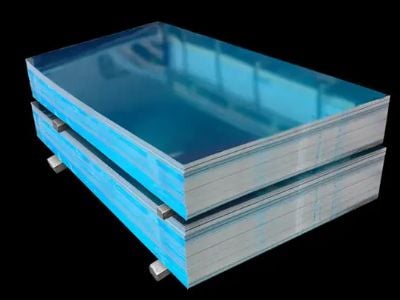
When considering aluminum sheets for various applications, one of the most critical factors is determining the appropriate aluminum sheet thickness. The right thickness influences the structural integrity, appearance, and overall performance of the final product. This article will explore the question, "What aluminum sheet thickness do I need for structural vs. decorative applications?" addressing key concerns for B2B buyers, such as material selection, application suitability, and sourcing high-quality 5052 aluminum sheet.
What Aluminum Sheet Thickness is Best for Structural Uses?
When selecting aluminum sheets for structural applications, thickness is paramount. Typically, structural components require thicker sheets, often ranging from 0.125 inches to 0.5 inches (3.2 mm to 12.7 mm), depending on the load-bearing requirements and the specific application. Thicker sheets provide enhanced strength, durability, and resistance to deformation under stress.
For instance, in construction and manufacturing, aluminum's strength-to-weight ratio is advantageous, but it's essential to ensure the thickness can support the intended loads. Buyers should also consider factors such as the specific alloy type, as different aluminum alloys exhibit varying strengths and properties. For example, 6061 aluminum is commonly used for structural applications due to its good mechanical properties and weldability.
In summary, when choosing aluminum sheet thickness for structural applications, assess the load requirements and consult with manufacturers like Han Wei Company, who can provide guidance based on their extensive experience in metal processing and production.
Where to Source Quality Aluminum Sheets for Your Projects
Sourcing quality aluminum sheets is vital for ensuring the integrity and performance of your projects. Buyers should look for suppliers with a strong reputation in the industry, such as those who hold ISO9001/AS9120 certifications, ensuring compliance with international quality management standards.
Han Wei Company, a leading aluminum manufacturer and exporter based in Shanghai, offers a wide range of aluminum sheets suitable for various applications. With over 10,000 aluminum and non-ferrous metal stocks, they provide quick delivery and customization capabilities. When sourcing 6061 aluminum sheet, consider factors like the supplier's stock availability, production capacity, and experience in exporting to different markets. Additionally, verifying the supplier's quality control processes can help ensure the products meet your specifications and requirements.
Understanding Aluminum Sheet Specifications for Wholesale Buyers
For wholesale buyers, understanding aluminum sheet specifications is crucial for making informed purchasing decisions. Key specifications include thickness, alloy type, dimensions, and surface treatment.
Thickness: As previously discussed, this affects the sheet's strength and suitability for various applications.
Alloy Type: Different alloys offer unique properties. For instance, 5052 aluminum is known for its corrosion resistance, making it ideal for marine applications.
Dimensions: Custom sizes may be necessary, especially for specialized projects. Ensure the manufacturer can accommodate your size requirements.
Surface Treatment: This can include anodizing, painting, or other finishes that enhance durability and aesthetic appeal.
When requesting quotations, provide comprehensive information, including intended applications, required specifications, and any customization needs. This level of detail helps manufacturers like Han Wei Company deliver accurate and satisfactory results.
Common Problems with Aluminum Sheets and Their Solutions
While aluminum sheets are versatile and widely used, buyers should be aware of common issues that can arise during procurement and application. Some frequent problems include:
Surface Defects: Scratches, dents, or other blemishes can occur during handling or transportation. To mitigate this, inspect materials upon delivery and ensure proper packaging during shipping.
Thickness Variability: Inconsistent thickness can lead to structural issues. Buyers should confirm the manufacturer's tolerances and request samples to verify thickness before mass production.
Corrosion: While aluminum is generally resistant to corrosion, specific environments may require additional protective measures. Consider surface treatments such as anodizing for enhanced protection against environmental factors.
By being proactive and addressing these potential issues, buyers can avoid complications and ensure their projects meet quality and performance standards.
Choosing the Right Thickness for Aluminum Sheets
Selecting the right thickness for aluminum sheets involves evaluating the specific requirements of the intended application. For decorative applications, such as signage or interior finishes, thinner sheets ranging from 0.020 inches to 0.125 inches (0.5 mm to 3.2 mm) may suffice. These sheets provide a lightweight option while still offering sufficient durability for aesthetic purposes.
Conversely, for structural applications, thicker sheets are necessary to ensure load-bearing capacity and safety. Factors influencing the choice of thickness include the design specifications, environmental conditions, and any relevant industry standards.
It’s also important to consider the end-use of the product. For example, components exposed to high temperatures or corrosive environments may require specific alloys and thicknesses to perform effectively. Engaging with experienced manufacturers like Han Wei Company can provide insights into the best thickness options based on your project needs and industry standards.
determining the right cut aluminum sheet metal thickness for structural versus decorative applications is a multifaceted decision that requires careful consideration of material properties, application requirements, and supplier capabilities. By understanding these factors and actively engaging with knowledgeable suppliers, buyers can make informed decisions that lead to successful project outcomes.