
 EN
EN
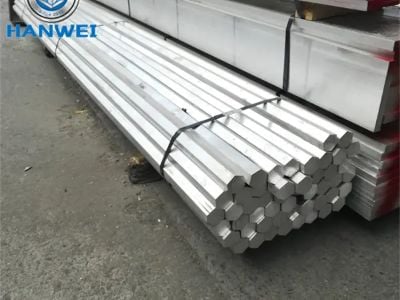
Choosing the right aluminum rod diameter for your machining project can significantly impact the efficiency and quality of your final products. This decision is crucial for buyers such as purchasing managers, engineers, and product managers who are concerned with material performance, cost-effectiveness, and application suitability. We will explore how to select the appropriate aluminum rod diameter, considering various factors that influence performance and cost, and provide practical guidance for B2B buyers navigating this decision-making process
Understanding the Cost Factors of Aluminum Rod Diameter Choices
When selecting an 6061 aluminum rod diameter, various cost factors come into play. The diameter directly influences the price, as larger diameters typically require more raw material and may incur higher production and machining costs. It's essential to consider not only the price per unit but also how the diameter affects the overall design and functionality of the machined parts
Additionally, larger diameters may require specialized machinery for processing, which could lead to increased manufacturing lead times and additional operational costs. On the other hand, smaller diameters may be less expensive but could compromise the strength and durability of the final product. Buyers should evaluate their specific application requirements alongside these cost factors to determine the most cost-effective diameter that meets their performance needs
Where to Find Reliable Suppliers for Aluminum Rods in Bulk
Finding reliable suppliers for 7075 t6 aluminum rod in bulk is crucial for ensuring consistent quality and timely delivery. B2B buyers can start by searching for manufacturers with a proven track record in aluminum production, like Han Wei Company, which has over 18 years of experience in the industry and is recognized as a leading aluminum manufacturer in East China
Buyers can also consider trade shows, industry directories, and online marketplaces that specialize in metal products. It’s vital to assess suppliers based on their certifications, such as ISO9001 and AS9120, which indicate a commitment to quality management systems. Furthermore, requesting samples or visiting the manufacturing facility can help buyers evaluate product quality and production capabilities before making a bulk purchase
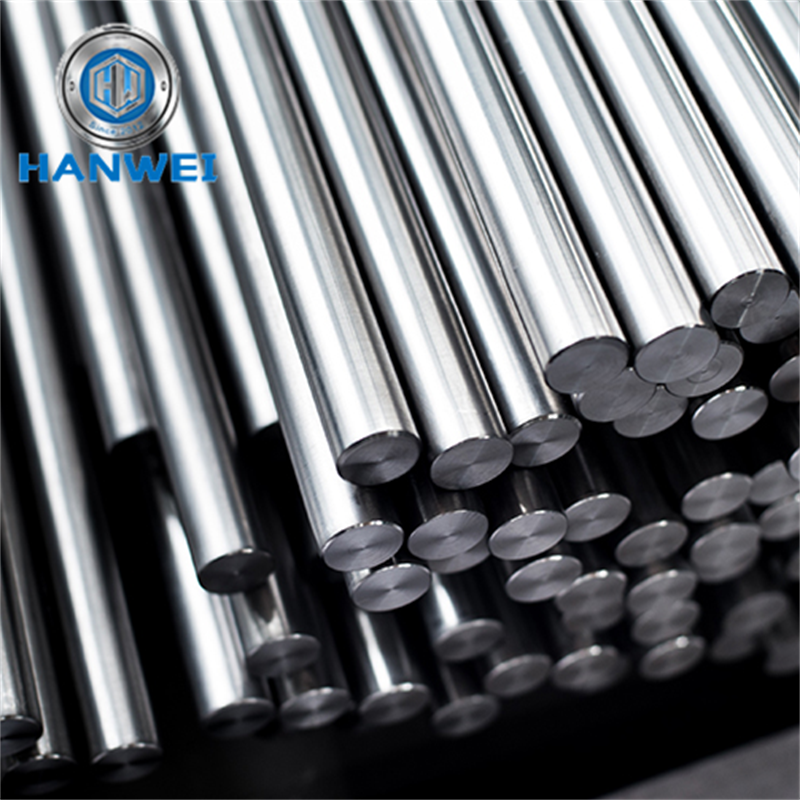
Comparing Aluminum Rod Diameters for Different Machining Applications
Different machining applications require specific aluminum rod diameters to achieve optimal performance. For instance, aerospace applications may necessitate the use of larger diameters due to structural integrity requirements, while components used in electrical applications may benefit from thinner rods for weight reduction and ease of installation
Additionally, industries such as automotive and construction may have varying standards for aluminum rod diameters based on load-bearing capacities and durability. Buyers should consider the mechanical properties required for their application, such as tensile strength and corrosion resistance, to ensure that the selected diameter aligns with the operational demands of their projects
Best Practices and Tips
When selecting an aluminum rod diameter, B2B buyers should adhere to several best practices
Define Application Requirements: Clearly outline the performance specifications needed for your project, including mechanical properties, environmental conditions, and aesthetic considerations
Consult with Engineers: Engage with engineers early in the process to gain insights into the implications of diameter choices on design and functionality
Request Material Data Sheets: Obtain detailed specifications from suppliers to understand the properties of the aluminum rods being considered, including alloy composition and mechanical performance
Evaluate Sample Products: Before committing to a large order, request samples to test in real-world conditions. This can help identify any potential issues related to machining or application compatibility
-
Assess Long-term Supply Relationships: Consider establishing long-term relationships with suppliers who demonstrate reliability in quality and delivery. This can lead to better pricing, consistency, and collaboration on future projects
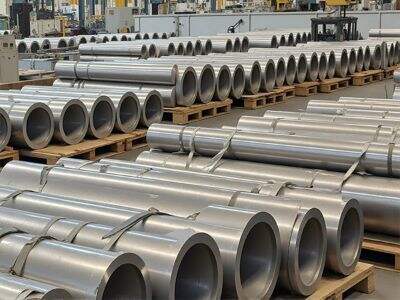
Quality Control Measures for Aluminum Rods in Manufacturing Processes
Quality control is paramount when sourcing 6061 t6 aluminum rods, as the diameter and overall quality can significantly affect the final product. Buyers should implement a robust quality assurance process that includes
Incoming Material Inspection: Before production, inspect the aluminum rods for compliance with specified dimensions and material properties. This involves checking for any visible defects, such as warping or surface imperfections
In-Process Quality Checks: During machining, regularly monitor the production process to ensure that the rods maintain consistent diameter measurements and tolerances, as deviations can lead to costly rework
Final Product Testing: Conduct mechanical testing on finished products to verify that they meet the required performance criteria. This may include tensile testing, hardness testing, and dimensional verification
Supplier Quality Audits: Periodically review suppliers’ quality systems to ensure they uphold their certifications and maintain high standards in their manufacturing processes. This can help mitigate risks associated with inconsistent product quality
By understanding these quality control measures and actively participating in the process, B2B buyers can enhance the reliability and performance of their machining projects while minimizing risks associated with material defects