
 EN
EN
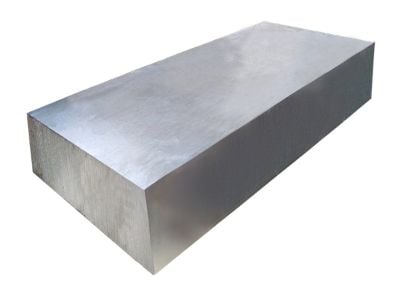
When considering bulk procurement of aluminum sheets, understanding the standard 5052 aluminum sheet sizes available is crucial for ensuring they meet your project's specific requirements. This article will address the primary keyword, "What Are the Standard Aluminum Sheet Sizes Available for Bulk Procurement?" and provide insights into selecting the right sizes, sourcing options, key specifications, common applications, and important installation considerations. As a purchasing manager or engineer, knowing these details will help you make informed decisions that align with your operational needs.
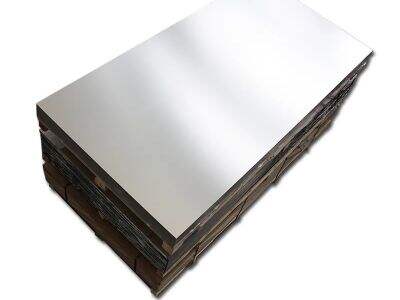
How to Choose the Right Aluminum Sheet Sizes for Your Project
Selecting the appropriate aluminum sheet size hinges on several factors, including the intended application, design specifications, and production processes. Standard aluminum sheet sizes typically range from 4' x 8' to 6' x 12', with thicknesses varying from 0.006" to 0.250". The choice of sheet size can impact your project in terms of material waste, handling, and machining efficiency.
For instance, if you are fabricating components that require minimal waste, opting for a size that closely matches the dimensions of your final product can reduce excess material. Additionally, consider the capabilities of your cutting equipment; ensuring that the sheet size is compatible with your machinery can enhance production efficiency.
It's also important to evaluate the volume of sheets you need. If your project has high demand, larger standard sizes may offer economies of scale, while smaller projects might benefit from more manageable dimensions. Always consult your production team to align the sheet sizes with operational capabilities and project requirements.
Where to Source Standard Aluminum Sheet Sizes for Wholesale Purchase
Sourcing aluminum sheets for bulk procurement can be streamlined by partnering with reliable suppliers. Han Wei Company, as a leading metal manufacturer and exporter in East China, offers an extensive inventory of aluminum sheets with various standard sizes. This not only ensures availability but also provides options for customization based on specific project requirements.
When sourcing, it's critical to vet suppliers based on their certifications, production capabilities, and quality control processes. Look for manufacturers who possess ISO9001 or AS9120 certifications, as these indicate adherence to international quality management standards. Additionally, check the supplier’s lead times and stock levels to ensure they can meet your demand without delays.
Establishing a strong relationship with your supplier can also lead to better pricing structures and the possibility of custom orders. Regular communication about your needs will help the supplier understand your requirements and provide the best options for your projects.
Key Specifications to Know
Understanding key specifications of aluminum sheets is essential for making informed procurement decisions. Important factors include:
Thickness: The thickness of aluminum sheets affects their strength and application suitability. Common thicknesses range from 0.008" (0.2 mm) for lightweight applications to 0.250" (6.35 mm) for heavy-duty uses.
Alloy Type: Different aluminum alloys offer varying properties, such as corrosion resistance, machinability, and weldability. For example, 6061 aluminum is often used for its excellent mechanical properties and weldability, while 5052 is known for its corrosion resistance.
Surface Finish: The surface treatment can impact both aesthetics and functionality. Options include mill finish, anodized, and painted surfaces, each serving different purposes based on the application.
Temper: The temper of aluminum indicates its strength and ductility. Common tempers include H14 (strain-hardened) for added strength and O (annealed) for increased ductility.
Dimensions: Confirm the exact lengths and widths required for your project, as these can impact cutting and installation processes.
Before finalizing your order, ensure that these specifications align with your project requirements to avoid issues during manufacturing or installation.
Common Applications for Standard Aluminum Sheet Sizes in Industry
Standard aluminum sheet sizes find a broad range of applications across various industries. Some common uses include:
Aerospace: Lightweight aluminum sheets are crucial for aircraft manufacturing, where weight reduction is essential.
Automotive: Used in body panels and interior components, aluminum sheets help improve fuel efficiency due to their reduced weight.
Construction: Aluminum sheets are often utilized in roofing, siding, and other architectural applications due to their durability and corrosion resistance.
Electronics: Many electronic housings and components require aluminum sheets for effective thermal management and structural integrity.
Packaging: Aluminum sheets are also common in food and beverage packaging, providing a lightweight yet strong barrier against moisture and light.
Understanding the specific applications relevant to your industry will help you identify the most suitable aluminum sheet sizes for your procurement needs.
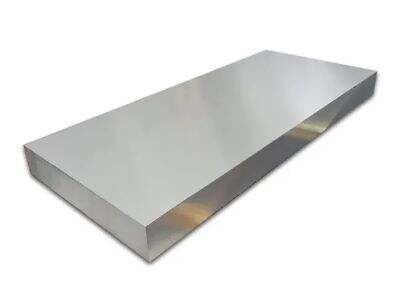
Installation Considerations for Different Aluminum Sheet Sizes
When it comes to installing aluminum sheets, several considerations must be taken into account to ensure the integrity and longevity of the application.
First, handling and transportation of the sheets must be managed to prevent damage, particularly for larger sizes. Ensure that your team has the necessary equipment to lift and position the sheets safely.
Second, cutting and joining methods should align with the chosen 6061 aluminum sheet specifications. For instance, thicker sheets may require specialized cutting tools, while thinner sheets can be cut with standard equipment. Similarly, welding or riveting methods must be selected based on the alloy and temper of the aluminum.
Lastly, expansion and contraction due to temperature changes should be considered during installation. Make sure that the installation design accommodates thermal expansion, especially in environments subject to temperature fluctuations.
In summary, understanding the standard aluminum sheet sizes available for bulk procurement is essential for making informed purchasing decisions. By considering factors such as project requirements, supplier reliability, key specifications, applications, and installation practices, B2B buyers can optimize their procurement process and ensure successful outcomes in their projects.