
 EN
EN
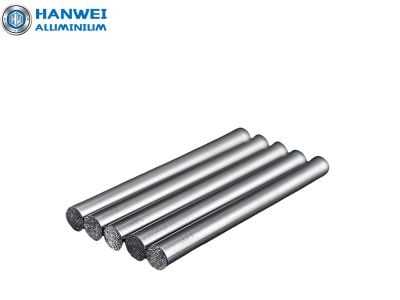
Understanding aluminum rod diameter tolerances is crucial for businesses engaged in precision machining. These tolerances impact the overall fit, function, and performance of components produced from aluminum rods. For B2B buyers—such as purchasing managers, engineers, and product managers knowing what these tolerances mean can guide better purchasing decisions, ensuring that the final products meet required specifications and application needs. This article will delve into the significance of aluminum rod diameter tolerances, common issues that arise, and practical installation guidance.
What Are Aluminum Rod Diameter Tolerances in Precision Machining?
Aluminum rod diameter tolerances refer to the permissible limits of variation in the diameter of aluminum rods used in precision machining. These tolerances are typically expressed as a range, indicating the maximum and minimum acceptable diameters. For example, if a rod is specified to have a diameter of 10 mm with a tolerance of ±0.1 mm, the acceptable diameter could range from 9.9 mm to 10.1 mm.
Understanding these tolerances is essential for several reasons. Firstly, they affect the compatibility of the rod with other components. If the diameter is outside the specified tolerance range, it could lead to improper fitment aluminum rod, which can compromise the functionality of the final assembly. Secondly, tighter tolerances typically result in higher production costs due to increased machining time and more stringent quality control measures. Thus, buyers must balance the need for precision with cost considerations.
Comparing Aluminum Rod Diameter Tolerances for Wholesale Purchases
When purchasing aluminum rods in bulk, comparing diameter tolerances across suppliers can significantly impact the quality and cost of your project. Tolerances can vary by manufacturer, and understanding these differences is critical. For instance, while one supplier might offer aluminum rods with a tolerance of ±0.05 mm, another might provide ±0.2 mm.
For wholesale purchases, consider the following factors:
Application Requirements: Determine the precision needed for your specific application. For high-performance applications like aerospace or medical devices, tighter tolerances will likely be necessary.
Price Implications: Suppliers offering tighter tolerances may charge a premium. Evaluate whether the additional cost aligns with the expected quality and performance benefits.
Supplier Reputation: Investigate the reliability of the supplier regarding their ability to consistently meet specified tolerances through quality control processes and customer reviews.
Key Specifications for Aluminum Rods in Precision Machining Applications
Several key specifications should be considered when evaluating aluminum rods for precision machining:
Diameter Tolerance: As previously discussed, knowing the exact tolerance level is crucial. This impacts fit and functionality.
Material Grade: Different aluminum alloys (such as 6061, 6063, or 7075) offer varied mechanical properties and corrosion resistance. The choice of grade should align with performance requirements.
Surface Finish: The surface treatment (e. g., anodizing, polishing) can affect both aesthetics and performance. A smoother finish may be required for certain applications to reduce friction and wear.
Length and Quantity: Specify the required length and the minimum order quantity (MOQ). This information is vital for accurate pricing and availability.
Heat Treatment: Some applications may require specific heat treatments to enhance the mechanical properties of the 6061 aluminum rod.
When communicating with suppliers, ensure that you provide detailed specifications based on the needs of your project to facilitate accurate quotes and timely delivery.
Common Problems with Aluminum Rod Diameter and Their Effective Solutions
When working with aluminum rods, several common issues related to diameter tolerances can arise:
Out-of-Specification Diameters: If rods do not meet the specified tolerances, the resulting components may not fit correctly, leading to assembly issues.
Solution: Always request a certificate of compliance or quality assurance report from suppliers to validate that their products meet the required specifications.
Dimensional Variability: Variations in diameter along the length of the rod can create problems during machining.
Solution: Consider conducting a quality inspection on a sample batch before placing a full order. This can help identify any dimensional inconsistencies.
Surface Imperfections: Scratches, dents, or other surface defects can affect the performance of the final product.
Solution: Specify surface finish requirements in your order. A well-defined specification can help minimize defects during production.
Addressing these issues proactively can save time and resources during the manufacturing process.
Installation Guidance for Aluminum Rods with Specific Diameter Tolerances
Proper installation of aluminum rods, especially those with specific diameter tolerances, is essential for ensuring optimal performance in their applications. Here are key points to consider:
Verify Dimensions: Before installation, measure the diameter of the rods using calipers to ensure they meet the specified tolerances. This step can prevent issues during assembly.
Use Appropriate Tools: Ensure that the tools and machines used for machining or assembling the rods are compatible with the specified tolerances. Improper tooling can lead to further dimensional discrepancies.
Follow Manufacturer Guidelines: Adhere to any installation instructions provided by the supplier. This may include recommended procedures for placing the rods in assemblies or specific handling requirements to avoid damage.
Conduct a Fit Test: If feasible, perform a fit test with the components that will interact with the aluminum rods. This helps confirm that the tolerances are suitable for the intended application and identifies any issues early in the process.
Plan for Adjustments: Be prepared to make minor adjustments if the dimensions are close to the limits of the specified tolerances. This flexibility can help accommodate any unexpected variations.
By following these installation guidelines, you can enhance the reliability and performance of the components made from aluminum rods.
In summary, understanding 6061 t6 aluminum rod diameter tolerances is crucial for successful precision machining. By considering these factors tolerance specifications, supplier comparisons, common issues, and installation guidance B2B buyers can make informed purchasing decisions that lead to improved product quality and operational efficiency.
Table of Contents
- What Are Aluminum Rod Diameter Tolerances in Precision Machining?
- Comparing Aluminum Rod Diameter Tolerances for Wholesale Purchases
- Key Specifications for Aluminum Rods in Precision Machining Applications
- Common Problems with Aluminum Rod Diameter and Their Effective Solutions
- Installation Guidance for Aluminum Rods with Specific Diameter Tolerances