
 EN
EN
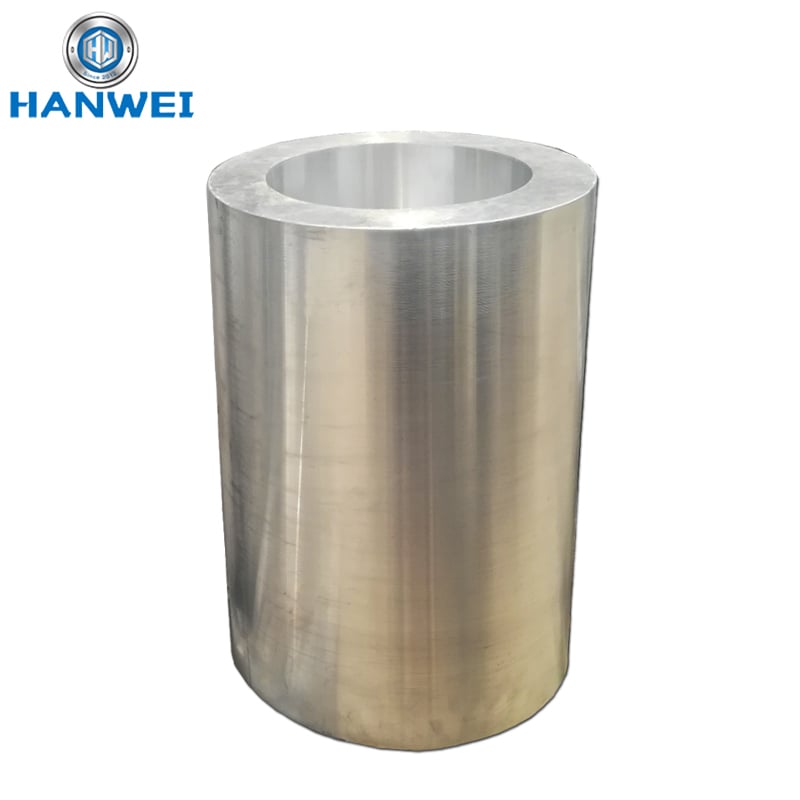
The global aluminum market is poised for significant changes by 2026, influencing procurement strategies for buyers across various industries. Understanding these trends is essential for purchasing managers, distributors, and engineers who rely on aluminum products for their applications. This article, "Global Aluminum Market Trends 2026: What Buyers Need to Know," outlines critical insights, supplier evaluation tips, product specifications, common sourcing challenges, and effective solutions to help you navigate the evolving landscape.
Key Buyer Insights
As the global demand for aluminum plate continues to rise, driven by its lightweight, durable, and corrosion-resistant properties, buyers must stay informed about market dynamics. Key insights include:
Market Growth: The aluminum market is expected to expand significantly by 2026, particularly in sectors such as automotive, aerospace, construction, and packaging. This growth is attributed to the material's sustainability and recyclable, making it a preferred choice for many manufacturers.
Price Volatility: Fluctuations in raw material costs and geopolitical factors can impact aluminum pricing. Buyers should consider long-term contracts or agreements with suppliers to mitigate risks associated with price variability.
Quality Standards: With increasing global competition, the emphasis on quality has intensified. Buyers should prioritize suppliers that adhere to international quality certifications, such as ISO9001 and AS9120, ensuring consistent product performance.
Customization Needs: The trend toward customized solutions is on the rise. Buyers should assess their specific requirements and communicate these to potential suppliers to ensure they receive products that meet their unique needs.
How to Choose the Right Aluminum Supplier for Your Needs
Selecting the right aluminum supplier is crucial for ensuring quality and reliability. Here are key factors to consider:
Experience and Expertise: Look for suppliers with extensive experience in aluminum manufacturing and a proven track record in your industry. For instance, Han Wei Company, with 18 years in aluminum processing, can provide insights into product applications and sourcing challenges.
Manufacturing Capabilities: Evaluate the supplier’s production capabilities, including equipment and technology used. Ensure they can meet your volume requirements and offer flexibility for custom orders.
Quality Control Processes: Inquire about the supplier's quality control measures. A reputable supplier should have rigorous testing protocols to ensure that products meet specified standards.
Delivery and Logistics: Timely delivery is essential. Assess the supplier’s logistics capabilities to ensure they can meet your lead times and shipping requirements.
Customer Support and Communication: Choose a supplier that offers strong customer support and transparent communication. This will facilitate smoother transactions and problem resolution.
Evaluating Aluminum Product Specifications for Wholesale Purchases
When purchasing aluminum sheet metal products in bulk, understanding the technical specifications is vital. Key specifications to evaluate include:
Material Grade: Aluminum is available in various grades, each with distinct properties. Common grades include 6061, 6063, and 7075, each suited for specific applications due to their strength, corrosion resistance, and workability.
Dimensions and Tolerances: Confirm the required dimensions and tolerances for your project. Inaccurate specifications can lead to production delays or compatibility issues with existing systems.
Surface Treatment: Depending on the application, surface treatments such as anodizing or powder coating may be necessary to enhance durability and aesthetics. Discuss these options with your supplier.
Packaging Standards: Ensure the supplier adheres to appropriate packaging standards to protect products during transit. Proper packaging minimizes the risk of damage and ensures products arrive in optimal condition.
Minimum Order Quantity (MOQ): Be aware of the supplier’s MOQ, as this may affect your purchasing strategy and inventory management.
Common Problems in Aluminum Sourcing and Effective Solutions
Sourcing aluminum can present challenges, but understanding common issues can help mitigate risks:
Quality Inconsistencies: Variability in material quality can lead to product failures. Buyers should request samples and conduct thorough inspections before finalizing orders. It is best to approve a finished sample that aligns with production specifications.
Supply Chain Disruptions: Supply chain issues, often caused by geopolitical events or natural disasters, can impact availability. Diversifying your supplier base can help minimize reliance on a single source and enhance supply chain resilience.
Communication Barriers: Miscommunication regarding specifications or requirements can lead to costly errors. Establish clear communication channels with suppliers and confirm all details in writing before production begins.
Regulatory Compliance: Ensure that the aluminum sheet roll products meet relevant regulatory requirements for your industry. Discuss compliance with suppliers to avoid complications during importation or usage.
Price Fluctuations: To manage price volatility, consider negotiating long-term contracts or fixed pricing agreements with suppliers. This can provide stability in budgeting and financial planning.
A Comprehensive Overview
understanding global aluminum market trends and how they impact procurement is essential for B2B buyers. By focusing on key buyer insights, selecting the right supplier, evaluating product specifications, and addressing common sourcing challenges, you can make informed purchasing decisions.
For companies like Han Wei, with extensive experience as a leading aluminum manufacturer and exporter, the commitment to quality and customer satisfaction is paramount. By leveraging these insights and best practices, you can navigate the complexities of the aluminum market and secure products that meet your operational needs.