
 EN
EN
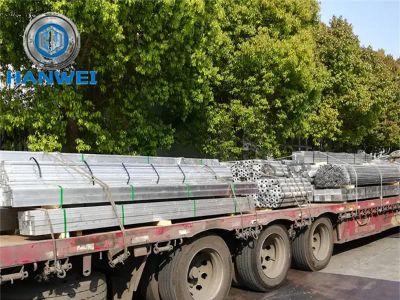
Aluminum rods play a vital role in the electronics industry, particularly for applications involving thermal management and electromagnetic interference (EMI) shielding. As a leading metal manufacturer with extensive experience, Han Wei Company recognizes the importance of high-quality aluminum products tailored to meet the stringent demands of this sector. This article delves into the key specifications, cost factors, installation guidance, advantages for EMI shielding, and performance metrics of aluminum rod, helping purchasing managers and engineers make informed decisions.
Key Specifications of Aluminum Rods for Electronics and Thermal Needs
When selecting aluminum rods for electronics, several key specifications should be considered to ensure optimal performance. The most critical factors include:
Material Grade: Common aluminum alloys used in electronics include 6061 and 6063, which provide a good balance of strength, corrosion resistance, and thermal conductivity. Understanding the specific requirements of your application will help determine the most suitable alloy.
Diameter and Length: The dimensions of the aluminum rods must align with the design requirements of the electronic components they will support. Common diameters range from 1/8 inch to several inches, and custom lengths can be provided based on project needs.
Surface Finish: The surface treatment of aluminum rods can influence their thermal properties and compatibility with other materials. Anodizing can enhance corrosion resistance, while a polished finish may be necessary for aesthetic applications.
Thermal Conductivity: For thermal management applications, the ability of aluminum rod tube to dissipate heat is paramount. The thermal conductivity of aluminum is generally around 205 W/m·K, but this can vary by alloy and treatment.
Evaluating these specifications ensures that the aluminum rods will meet the thermal management and EMI shielding requirements of electronic devices effectively.
Evaluating the Cost Factors of Aluminum Rods for Bulk Purchases
Cost is a significant consideration when purchasing aluminum rods in bulk. Key factors influencing pricing include:
Material Costs: The price of aluminum fluctuates based on market conditions, including the global demand and supply of raw materials. Buyers should stay informed about these trends to negotiate better pricing.
Manufacturing Processes: The complexity of the manufacturing process can impact costs. Processes such as extrusion, machining, or specialized surface treatments require different levels of investment, which can affect the overall price.
Order Volume: Bulk orders often benefit from economies of scale. Suppliers like Han Wei Company may offer tiered pricing based on the quantity ordered, allowing buyers to achieve cost savings.
Customization Requirements: Custom specifications, such as unique dimensions or finishes, can increase costs. Clear communication of requirements upfront can help suppliers provide accurate quotes.
Evaluating these cost factors will enable purchasing managers to make informed decisions that align with budget constraints while ensuring quality and performance.
Installation Guidance for Aluminum Rods in Thermal Management Systems
Proper installation of aluminum rods is crucial for their effectiveness in thermal management systems. Consider the following guidelines:
Preparation: Ensure that the surfaces of both the aluminum rods and the components they will interface with are clean and free of contaminants. This step is vital for effective heat transfer.
Thermal Interface Materials (TIMs): Using appropriate TIMs can enhance the thermal conductivity between the 2014 Aluminum rod and other components. Selecting the right TIM, such as thermal grease or pads, will depend on the specific application and operating conditions.
Mounting Techniques: Secure the aluminum rods using appropriate fasteners to prevent thermal expansion from causing misalignment. Consider using clamps or brackets that can accommodate thermal expansion without compromising the integrity of the assembly.
Testing After Installation: Once installed, conduct thermal performance testing to ensure that the aluminum rods are functioning as intended. Monitoring temperature profiles can help identify any issues early in the deployment.
Adhering to these installation guidelines will ensure that aluminum rods perform effectively in thermal management systems for electronic applications.
The Advantages of Using Aluminum Rods for EMI Shielding Applications
Aluminum rods are increasingly favored for EMI shielding due to several distinct advantages:
High Conductivity: Aluminum's excellent electrical conductivity allows it to effectively block electromagnetic interference, making it an ideal choice for shielding sensitive electronic components.
Lightweight: Compared to other metals, aluminum offers a favorable strength-to-weight ratio, which is beneficial in applications where weight is a critical factor, such as in aerospace and automotive electronics.
Corrosion Resistance: Aluminum naturally forms a protective oxide layer when exposed to air, enhancing its durability and longevity in various environments.
Cost-effectiveness: While there are more expensive materials available for EMI shielding, aluminum provides a balance of performance and cost, making it a practical choice for many applications.
When selecting aluminum rods for EMI shielding, it's essential to assess the specific shielding requirements and environmental factors to ensure optimal effectiveness.
Performance Metrics for Electronics Projects
To evaluate the performance of aluminum rods in electronics projects, several metrics should be monitored:
Thermal Performance: Measure the thermal resistance and conductivity to ensure the rods adequately manage heat dissipation. This can be tested under simulated operational conditions.
Mechanical Properties: Assess tensile strength, yield strength, and elongation to understand how the aluminum rods will perform under stress. These metrics are critical for ensuring the structural integrity of the final product.
EMI Shielding Effectiveness: Conduct tests to measure the shielding effectiveness in terms of decibels (dB). This data will indicate how well the aluminum rods protect sensitive components from electromagnetic interference.
Durability Testing: Evaluate how the aluminum rods withstand various environmental conditions, including temperature fluctuations, humidity, and exposure to chemicals. This testing ensures reliability over the product's lifespan.
By monitoring these performance metrics, purchasing managers and engineers can ensure that the aluminum rods selected for their projects will meet the necessary operational and safety standards.
In summary, aluminum rods are a critical component for electronics requiring effective thermal management and EMI shielding. By understanding the specifications, cost factors, installation guidance, advantages, and performance metrics, buyers can make well-informed decisions that align with their project requirements.
Table of Contents
- Key Specifications of Aluminum Rods for Electronics and Thermal Needs
- Evaluating the Cost Factors of Aluminum Rods for Bulk Purchases
- Installation Guidance for Aluminum Rods in Thermal Management Systems
- The Advantages of Using Aluminum Rods for EMI Shielding Applications
- Performance Metrics for Electronics Projects