
 EN
EN
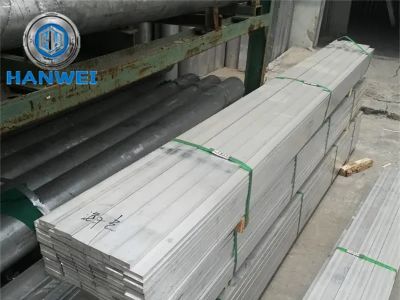
The choice between 2024 vs. 2011 aluminum rods is critical for precision machining applications, impacting performance, cost, and manufacturing efficiency. Buyers are often concerned about the specific properties of each alloy, including strength, machinability, and availability, as these factors directly affect production timelines and product quality. This article will help you understand the differences between these two aluminum alloys and guide you in making an informed purchasing decision for your machining needs.
Compare 2024 vs. 2011 Aluminum Rods for Precision Machining Needs
When selecting between 2024 and 2011 aluminum rods for precision machining, it’s essential to consider their unique characteristics.
2024 Aluminum Rods: Known for their high strength-to-weight ratio, 2024 aluminum is often used in aerospace applications. It typically features a higher tensile strength than 2011, making it suitable for parts that must withstand significant stress. However, it is less machinable than 2011, which may lead to higher tooling costs and longer processing times.
2011 Aluminum Rods: This alloy is particularly favored for its excellent machinability, often referred to as the "machinist's ally." It has good mechanical properties and is frequently used in precision machining where tight tolerances are required. The trade-off is that 2011 aluminum does not possess the same level of strength as 2024, making it less ideal for high-stress applications.
Ultimately, the choice between these two alloys should be guided by the specific requirements of your application, including strength, machinability, and cost considerations.
2024 vs. 2011 Aluminum Rod Performance
Performance metrics between 2024 and 2011 aluminum rods substantially influence the decision-making process for buyers.
Strength: 2024 aluminum typically boasts a yield strength of around 70,000 psi, while 2011 aluminum has a yield strength of about 40,000 psi. This makes 2024 ideal for structural applications or components that need to endure heavy loads.
Machinability: The machinability rating of 2011 is around 90%, making it one of the most machinable aluminum alloys available. In contrast, 2024 rates lower due to its strength, with some machining operations requiring more specialized tools and longer machining times.
Surface Finish: Both alloys can achieve high-quality surface finishes, but 2011 often results in superior finishes due to its easier workability, leading to less tool wear during machining.
For buyers, understanding these performance distinctions is crucial as they directly affect machining efficiency, tooling wear, and the overall cost of production.
Where to Source Reliable 2024 Aluminum Rods for Bulk Orders?
Sourcing high-quality 2024 aluminum rods requires careful consideration of suppliers and their capabilities.
Audit Supplier Credentials: Look for manufacturers or distributors with ISO9001 or AS9120 certification, as these indicate a commitment to quality management systems. Han Wei Company, for example, has extensive experience in aluminum production and export, ensuring that clients receive reliable products.
Check Stock Availability: Ensure that the supplier has a large stock of 2024 aluminum rod to meet your bulk order requirements. Since lead times can vary, having a supplier with significant inventory reduces the risk of delays in production.
Customization Options: If your project has specific requirements, find suppliers that offer customization capabilities. This may include different lengths, diameters, or even surface treatments.
By verifying these factors, buyers can ensure they source 2024 aluminum rods that meet their precise machining needs and maintain project timelines.
Installation Considerations for 2024 vs. 2011 Aluminum Rods
Installation of aluminum rods in precision machining applications can be influenced by the properties of the alloy used.
2024 Aluminum Rods: Due to their higher strength, 2024 rods may require specific installation techniques to avoid deformation under stress. It is advisable to pre-drill or use specialized fasteners designed for high-strength materials.
2011 Aluminum Rods: The easier machinability of 2011 rods means that they can often be installed using standard techniques without the need for specialized tools. However, care should still be taken to avoid excessive torque during installation, as this can cause surface defects.
Compatibility with Existing Equipment: Before installation, buyers should ensure that their existing equipment can handle the specific alloy being used. For instance, machining centers should be equipped with tools suitable for the hardness of 2024 aluminum rod, while standard tools may suffice for 2011.
Understanding the installation requirements and compatibility with existing machinery can help prevent costly mistakes and ensure a smooth manufacturing process.
2024 vs. 2011 Aluminum Rods for Wholesale Buyers
Wholesale buyers must carefully evaluate the benefits of both 2024 and 2011 aluminum rods to maximize their purchasing strategy.
Cost per Unit: Generally, 2011 aluminum rods are more cost-effective due to their lower material costs and easier machining properties. This can lead to lower overall project expenses, particularly for large-scale orders.
Quality Assurance: Buyers should prioritize suppliers that utilize rigorous quality control processes, such as Han Wei Company, which emphasizes traceable high-quality products. This ensures that regardless of the alloy chosen, the material's integrity and performance are maintained.
Minimum Order Quantities (MOQ): Understanding the MOQ is crucial for wholesale transactions. Suppliers may have different MOQs for 2024 and 2011 rod aluminium, affecting the buyer's procurement strategy. It’s advisable to discuss these terms upfront to avoid surprises later in the purchasing process.
By comparing these factors, wholesale buyers can make informed decisions that align with their operational needs and budget constraints while ensuring product quality.